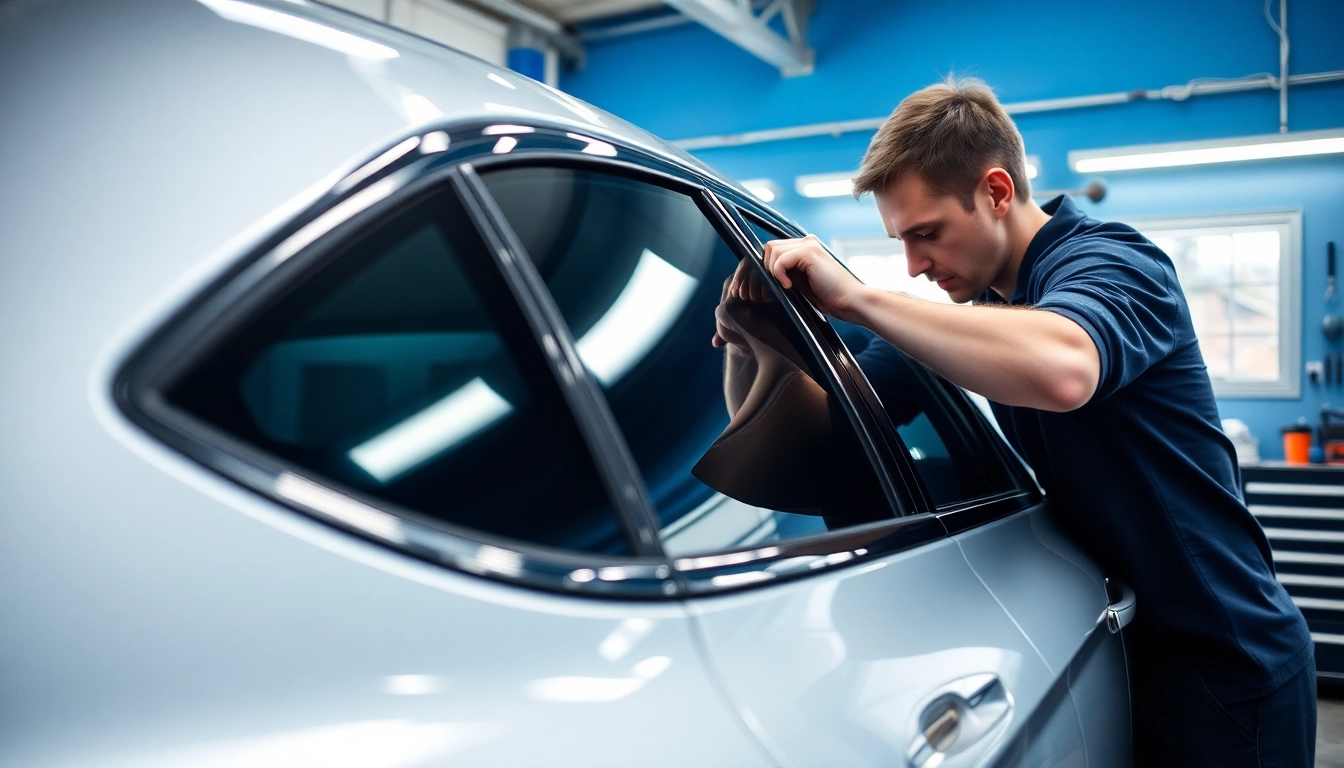
Understanding Window Tinting Cleveland TN
What is Window Tinting?
Window tinting is the process of applying a thin film or coating to the glass surfaces of vehicles and buildings to enhance privacy, reduce glare, and offer UV protection. This film comes in various shades and types, providing consumers with numerous options to match their needs and aesthetic preferences. In Cleveland, TN, window tinting serves as an effective solution to combat the region's fluctuating climate, allowing occupants to enjoy greater comfort while also protecting their investments in vehicles and property.
Types of Window Tinting
There are several different types of window tint films available in the market, each with its unique characteristics and benefits:
- Dyed Window Tint: This film is made by layering dye between adhesive and a protective top coat. It offers a darker aesthetic, which can help reduce glare but has a shorter lifespan compared to other options.
- Metalized Window Tint: This option contains tiny metallic particles that reflect heat and UV rays, offering greater durability and effectiveness in blocking sunlight while adding additional strength to the glass.
- Ceramic Window Tint: Known for its advanced technology, ceramic tint films provide excellent heat and UV protection without compromising visibility. They are higher in cost but provide superior performance and durability.
- Carbon Window Tint: This type features carbon particles, blocking UV rays and infrared light effectively while enhancing the look of the glass. It does not fade over time and is resistant to scratches.
Benefits of Window Tinting Cleveland TN
Engaging in window tinting Cleveland TN offers numerous advantages that go beyond aesthetic appeal. Here are some key benefits:
- Enhanced Privacy: Tinted windows provide an added layer of privacy, making it difficult for outsiders to see inside your vehicle or home.
- UV Protection: Window tinting blocks up to 99% of harmful UV rays, protecting your skin from damage and reducing the risk of skin cancer.
- Reduced Heat: Tinted windows can also reduce interior temperatures during the summer months, making your vehicle or building more comfortable.
- Glare Reduction: Most window tints minimize glare from sunlight, making it easier to see and drive safely.
- Aesthetic Appeal: Tinted windows enhance the look of vehicles and buildings, giving them a sleek, modern appearance that can increase property value.
Choosing the Right Window Tint
Factors to Consider
When selecting the right window tint for your needs, several factors should be kept in mind:
- Purpose: Determine whether you are looking for glare reduction, UV protection, heat rejection, or aesthetic enhancement.
- Type of Vehicle or Building: Different types of glass may require specific tinting options. Consider the application before making a choice.
- Local Climate: In Cleveland, TN, the seasonal changes can influence your choice of tint type; choose options that provide optimal performance in both hot summers and cold winters.
- Budget: Window tinting can range from affordable dyed films to pricier ceramic options, so establishing a budget will guide your decision.
Legal Regulations in TN
It’s essential to be aware of the local laws regarding window tinting in Tennessee. The state has regulations concerning the darkness of the tint and the percentage of visible light transmission (VLT) allowed for various windows, typically requiring passenger vehicles to have no less than 35% visible light on the front side windows and no restrictions on rear windows. Knowing these regulations can help avoid penalties and ensure compliance.
Cost vs. Quality
Investing in window tinting is not just about finding the cheapest option available. Quality films come with warranties and longevity. Assess the cost versus the anticipated results to determine which option provides the best value for your investment. Consider the long-term benefits of higher-quality films, including durability, warranty, and performance compared to cheaper alternatives.
Professional Installation vs. DIY
Advantages of Professional Window Tinting Cleveland TN
While some might consider DIY window tinting as a cost-saving measure, hiring a professional installer offers several advantages:
- Expertise: Professionals have the knowledge and experience to handle various tinting materials and ensure proper installation without bubbles or imperfections.
- Quality Assurance: Many professional services offer warranties on their work and materials, providing peace of mind that the job will be done right and last.
- Compliance with Local Laws: Professionals are familiar with local regulations and will ensure that your window tint complies with the law.
- Time-Saving: Professional installation is often completed in a fraction of the time it would take a novice to do it themselves
Common DIY Mistakes
Attempting DIY window tinting can lead to common errors, such as:
- Poor Surface Preparation: Failing to clean the glass properly can cause bubbles and imperfections.
- Incorrect Film Size: Using improperly sized or laminated film can lead to an uneven application and tears or creases.
- Inconsistent Temperature: Applying tint in extreme temperatures can impact adhesion, leading to thrills or bubbling over time.
How to Choose a Service Provider
Selecting a service provider for window tinting in Cleveland involves several steps:
- Research: Look for providers with good reviews and a significant track record in the area.
- Portfolio: Check their previous work to assess quality.
- Warranty: Ensure they offer warranties on both their labor and the films used.
- Consultations: Schedule consultations to discuss your needs and gain insights about their offerings.
Maintaining Your Window Tint
Best Practices for Care
To enhance the lifespan of your window tint, follow these best care practices:
- Avoid Cleaning for the First Few Days: Refrain from cleaning tinted windows for at least 48 hours after installation to allow proper adhesion.
- Use Gentle Cleaners: Always opt for soft cloths and mild, ammonia-free cleaning solutions while wiping down the surfaces.
- Keep Windows Closed: Try to keep windows closed for a few days post-installation to prevent the tint from peeling or bubbling.
Signs of Damage
Regularly inspect your window tint for signs of damage, including:
- Bubbles: Small bubbles indicate improper application or moisture entrapment.
- Fading: If the tint appears to lose its color or effectiveness, it may signal degradation.
- Peeling: Edges that begin to peel away from the glass indicate the need for immediate attention.
When to Replace Your Tint
Consider replacing your window tint if you notice significant damage or if it no longer provides the desired benefits. Scratched or discolored tints that impair your visibility or UV protection should be replaced as soon as possible. Additionally, if you are switching to a different style or shade, plan for a complete removal and replacement to ensure optimal aesthetics and functionality.
FAQs About Window Tinting Cleveland TN
How long does window tinting last?
Quality window tinting can last anywhere from 5 to 15 years, depending on the type and care. Regular maintenance can extend its lifespan.
Is window tinting legal in Cleveland TN?
Yes, but there are specific regulations regarding the darkness of the tint; check local laws for details to ensure compliance.
Can tint reduce heat inside the car?
Yes, window tinting can significantly reduce heat inside vehicles, improving comfort and minimizing the need for air conditioning.
What are the benefits of tinted windows?
Tinted windows offer UV protection, enhanced privacy, reduced glare, and improve the aesthetics of your vehicle or property while safeguarding interiors.
How can I clean tinted windows?
Use a soft cloth with mild soap or a specialty cleaner to avoid damaging the tint; avoid ammonia-based products to maintain integrity.